
World Space Week 2026: What the Rocket Revolution
World Space Week 2026 is underway, and this year’s theme is “Rocket Revolution.” It looks at how reusable boosters, new launch vehicles and a fast-growing commercial space industry are changing the way humanity reaches orbit. The celebration runs from October 4 to October 10 and brings together space agencies, companies, schools, museums and astronomy clubs around the world.
What Is World Space Week?
World Space Week is a yearly celebration of space science and technology. It is tied to two milestones in spaceflight history:
- October 4, 1957: The launch of Sputnik 1, the first artificial satellite to orbit Earth.
- October 10, 1967: The signing of the Outer Space Treaty, which set out principles for the peaceful exploration and use of outer space.
The United Nations General Assembly made it an annual observance in 1999. Events are expected to take place across roughly 100 nations this year.
What Does “Rocket Revolution” Mean?
For decades, reaching orbit meant huge amounts of hardware, fuel and infrastructure, and most rockets flew only once. That model is changing. Reusable rockets have shown that parts of a launch vehicle can return to Earth and fly again, and more companies and countries are building new ways to put satellites and spacecraft into orbit.
According to Dennis Stone, president of the World Space Week Association, the theme recognizes how greater space access and falling launch prices have boosted the space ecosystem and opened up new applications. It is also meant to inspire students to take up science, technology, engineering and mathematics (STEM).
The change goes beyond building bigger rockets. Reusability and new launch designs could alter the cost and frequency of spaceflight, while smaller launch vehicles give more organizations a way to reach orbit. The result is more participants and a wider range of missions, from communications and Earth-observation satellites to scientific spacecraft and human spaceflight.
Starship Reaches Orbit: A Timely Milestone
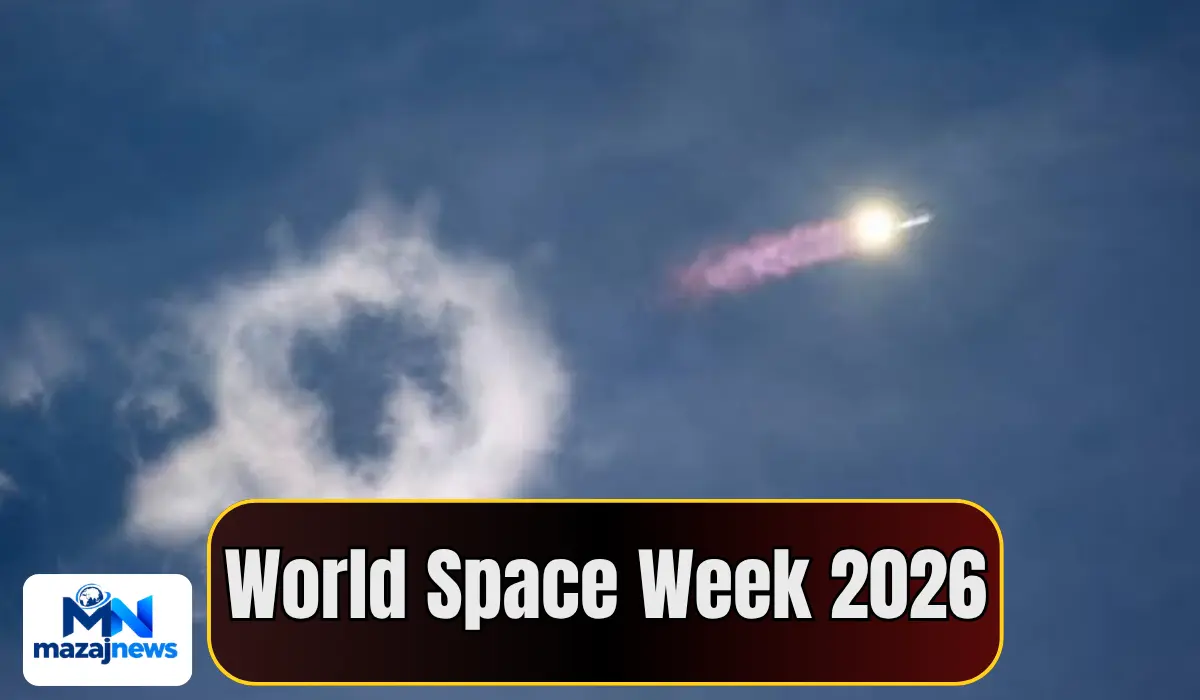
The timing of this year’s theme is fitting. On September 28, SpaceX’s Starship reached orbit for the first time and deployed 26 Starlink V3 satellites. The flight was cut short by an engine issue, but it still met its main goals of reaching orbit and releasing its payload.
Why Space Access Matters in Everyday Life
More frequent and varied launches support a growing network of satellites that already shapes daily life. Space-based systems provide:
- Communications and internet connectivity
- Navigation
- Weather information
- Earth-observation data
- Environmental monitoring and disaster response
Events Planned for World Space Week 2026
Activities range from talks and exhibitions to movie nights, astronomy events and hands-on STEM projects. Some highlights:
| Event | Details |
|---|---|
| ESA and The Pokémon Company International | A Europe-wide space-themed exhibition and Pokémon GO event |
| Kennedy Space Center Visitor Complex | WSW Expo on October 9 with NASA and industry partners |
| Model rocket launches | Students and rocket clubs encouraged to launch rockets with equipment from United Launch Alliance and Estes |
| BBC StoryWorks Commercial Productions | Online “Space Renaissance” event with the world premiere of the series’ first film |
| Estes Education | Rocket Revolution Toolkit with activities for classrooms, families and clubs |
The toolkit includes activities on the challenges of designing reusable launch vehicles, which makes it a useful resource for teachers and parents.
Night Sky Highlights This Week
You do not need to attend an event to take part. The sky offers its own show:
- October 4: Saturn at opposition
- October 5: The Moon near Mars
- October 6: The Moon near Jupiter
- October 8 to 9: Draconid meteor shower peaks
- October 10: New Moon
The New Moon on the final day means darker skies, which helps for stargazing. Step outside after dark, look up and enjoy the view.
Ways to Celebrate at Home or School
- Try a model rocket or a simple rocket-science activity with children or students.
- Watch a documentary or space-themed film with family or friends.
- Spot Mars, Jupiter or Saturn on the nights they are highlighted.
- Look for the Draconid meteors on October 8 and 9.
- Join a local or virtual WSW event listed on the official World Space Week website.


