

Iranian Rial Hits Record Low as Dollar Tops 2.45 Million
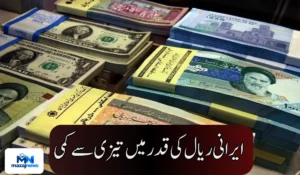
The Iranian rial has hit a fresh record low. In Iran’s open market, the US dollar has crossed 2.45 million rial, extending a currency slide that shows no sign of slowing down.
How Fast Is the Rial Falling?
The pace of this decline is striking. The dollar started the previous day at around 2.405 million rial. By the end of the day’s trading, it had climbed past 2.45 million rial.
Zoom out a bit further, and the picture gets more concerning:
| Timeframe | Dollar Value in Rial |
|---|---|
| One year ago | ~1.11 million rial |
| One week ago | ~2.33 million rial |
| Yesterday (start) | ~2.405 million rial |
| Yesterday (close) | 2.45 million+ rial |
In just one year, the dollar’s value against the rial has more than doubled. That means the rial has lost over half its value in twelve months, a sharp and sustained currency crisis by any measure.
Why Is This Happening Now?
This decline is unfolding at a time when Iran is facing both economic and military pressure. At the same time, there are early signs of a possible new round of indirect talks with the United States.
According to Reuters, separate meetings between mediators and both the US and Iran are expected today, Tuesday. These discussions are reportedly centered on a revised draft of a seven-day proposal that Tehran presented on the sidelines of the UN General Assembly session.
What This Means for Ordinary Iranians
A currency losing half its value in a year has real consequences for everyday life. Imported goods become more expensive. Savings held in rial lose purchasing power quickly. Businesses that rely on imported materials face rising costs, which usually get passed on to consumers.
This kind of currency collapse typically accelerates inflation, making it harder for average households to keep up with the cost of basic goods.
The Bigger Regional Picture
The weakening rial and growing trade barriers are adding to the economic pressure Iran is already under. At the same time, warnings related to the Strait of Hormuz and recent military clashes continue to keep the risk of a wider conflict alive in the region.
This ties directly into the broader Gulf tensions that have been pushing global oil prices higher in recent days. A less stable Iran, combined with an unresolved US-Iran standoff, keeps energy markets on edge well beyond Iran’s own borders.
What to Watch Next
Two things will likely shape where this goes from here:
- Whether today’s mediated talks between the US and Iran produce any real progress on the seven-day proposal
- Whether military tensions around the Strait of Hormuz escalate further or begin to ease
Until there’s clarity on either front, the rial’s slide is likely to continue, and so is the broader uncertainty across regional markets.