How to Check If Your Medicine Is Fake: DRAP’s Mehfooz Dawa App Explained
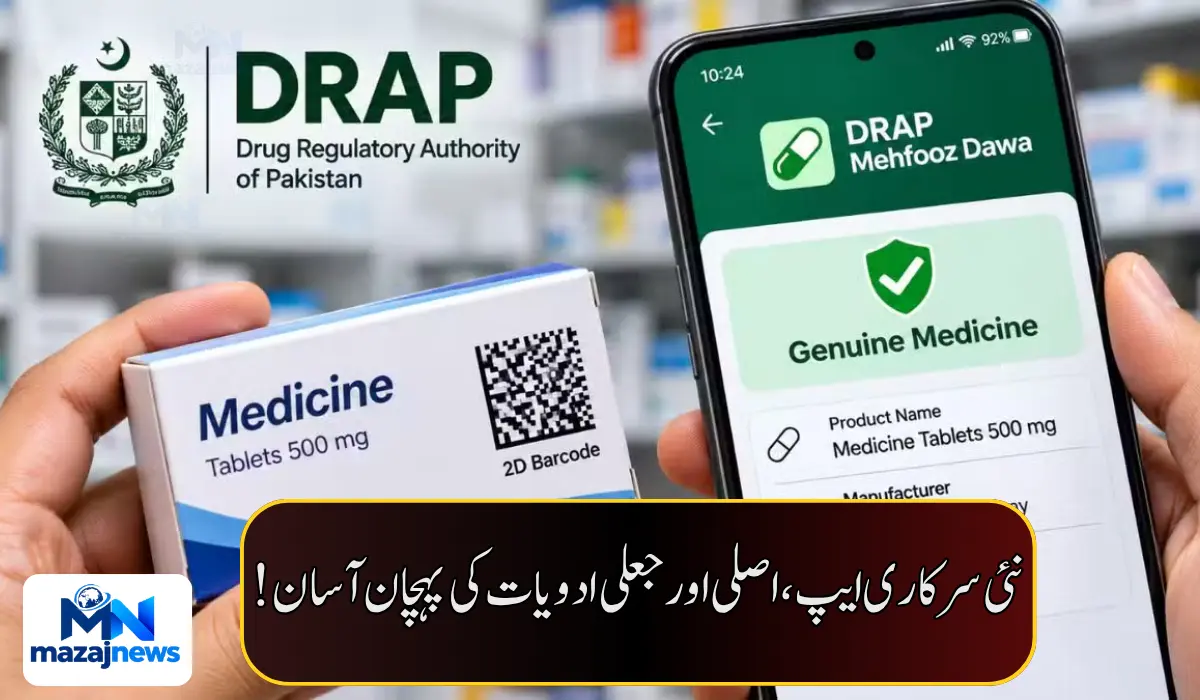
The Drug Regulatory Authority of Pakistan (DRAP) has urged consumers to use its Mehfooz Dawa app to check whether a medicine is genuine and whether its price is correct before buying it. The app uses a 2D barcode on the medicine pack. DRAP says it aims to curb counterfeit medicines, overpricing and other illegal practices.
How Does the Mehfooz Dawa App Work?
- You need a smartphone.
- Open the Mehfooz Dawa app.
- Scan the 2D barcode printed on the medicine pack.
- The app shows details of the registered product and its price.
This lets you check whether the medicine matches DRAP’s registered information and whether the price being charged is correct.
Key Numbers
| Detail | Figure |
|---|---|
| Pharmaceutical companies registered with DRAP | About 800 |
| Medicines registered with DRAP | More than 90,000 |
| Track and Trace System operational since | October 9, 2026 |
| DRAP’s cut-off date for the barcode mechanism | October 1, 2026 |
The figures on companies and medicines come from Ministry of National Health Services spokesperson Sajid Shah.
What Is the Track and Trace System?
A centralised Track and Trace System for medicines distributed across Pakistan became operational on October 9, 2026.
- It helps consumers, and it also lets regulators monitor medicines as they move through the supply chain.
- It could make it easier for authorities to identify and recall specific products if there are complaints, safety problems or quality issues.
Why Did It Take So Long?
| Year | Step |
|---|---|
| 2015 | Pakistan first proposed a medicine barcode system |
| 2017 | The federal cabinet approved it |
| Following years | Administrative delays stopped full implementation |
| Later | Health Minister Mustafa Kamal took notice and directed authorities to introduce it |
| October 1, 2026 | DRAP set this as the cut-off date for launching the barcode mechanism |
The barcode mechanism is part of efforts to tackle counterfeit and expired medicines and black marketing.
DRAP’s Wider Action on Fake Medicines
DRAP continues to issue alerts over counterfeit, substandard, adulterated and unregistered medicines. In a November 5 alert, it advised consumers to buy therapeutic products only from authorised or licensed outlets and to check their authenticity and condition carefully.
The Ministry of National Health Services says the government remains committed to safe, effective and quality medicines across the country.
What Is Not Mentioned?
The report does not explain:
- Where to download the app, or whether it works for all medicines yet
- What to do if a barcode cannot be scanned or shows wrong information
- Penalties for shops that sell overpriced or fake medicines
- How consumers can report a problem
Tips for Buying Medicines Safely
- Scan the barcode with the Mehfooz Dawa app before you buy, especially for expensive or frequently counterfeited medicines.
- Buy only from licensed pharmacies, and ask for a receipt.
- Check the expiry date, packaging and seal for signs of tampering.
- If the price on the app is lower than what the shop is charging, ask the seller to explain, and consider reporting it.
- Be careful of unusually cheap medicines from unauthorised sellers.